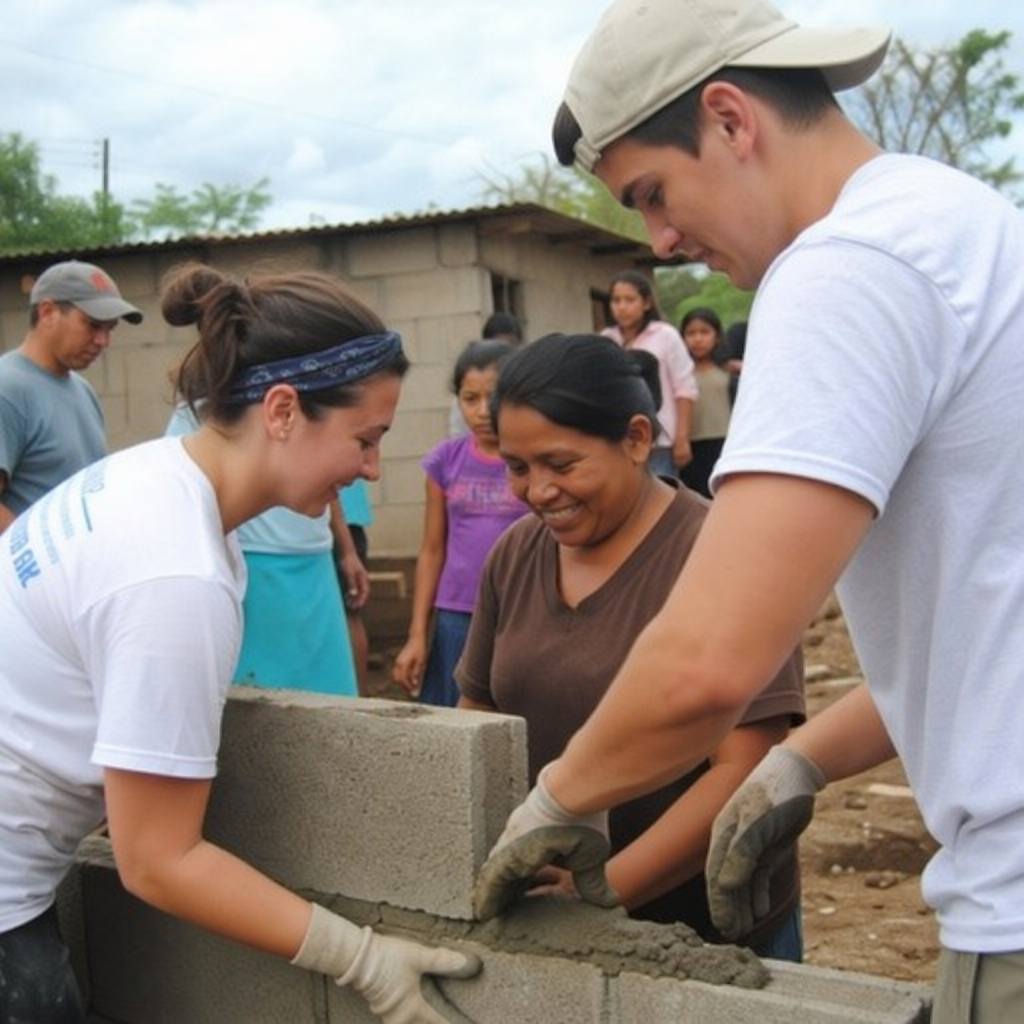

Christian missionary work shapes lives through faithful presence, practical service, and the message of the gospel. At its best, it connects churches across cultures, meets real human needs, and strengthens both the communities being served and the churches that send people out. This article explores what a christian missionary does, how mission work is supported, and how individuals can get involved through local outreach, Christian mission trips, and long-term service.
What does a Christian missionary actually do?
A Christian missionary serves people while bearing witness to the Christian faith, often across cultural, linguistic, economic, or geographic boundaries. The work may include sharing the gospel, discipling new believers, supporting local churches, teaching, offering practical aid, or building relationships in communities where Christian witness is limited or unfamiliar.
Missionary life is rarely one single task. In one setting, a missionary may help train church leaders. In another, they may support education, healthcare, community development, youth programs, or pastoral care. The common thread is not simply travel; it is a commitment to loving people in word and deed.
Many people associate missions only with overseas work, but christian missionary work also happens in local neighborhoods, rural communities, cities, college campuses, prisons, shelters, and among immigrant or refugee communities. A person does not have to cross an ocean to serve across a meaningful boundary. Sometimes the mission field is close to home.
The gospel, service, and relationship belong together
Christian mission is often rooted in the Great Commission, where Jesus sends His followers to make disciples among the nations. That calling gives mission work its spiritual center. Yet biblical mission is not detached from everyday human needs. Christians are also called to love neighbors, show mercy, pursue justice, and care for the vulnerable.
This is why many missionaries combine evangelism with tangible service. A missionary may teach Scripture while also helping children learn to read. A church team may support clean water projects while building friendships with local believers. A short-term group may serve alongside an established ministry rather than arriving with its own agenda.
Healthy mission work resists the idea that people are “projects.” Communities are not statistics, and mission partners are not props for inspiring stories. The most faithful approach is relational, humble, and patient. It asks, “What is God already doing here, and how can we support it?”
Common forms of mission work
Mission activities vary widely, but several patterns appear across Christian missionary organizations and church partnerships. Each form of service can be valuable when it is guided by local wisdom, accountability, and long-term care.
- Evangelism and discipleship: Sharing the Christian faith, leading Bible studies, mentoring new believers, and helping local churches grow in maturity.
- Church planting and leadership training: Supporting emerging congregations, training pastors or lay leaders, and encouraging sustainable local leadership.
- Education and youth ministry: Teaching language, literacy, life skills, or Bible classes, often in partnership with churches, schools, or community programs.
- Healthcare and compassion ministries: Offering medical support, counseling, crisis response, disability care, or practical help where needs are significant.
- Community development: Supporting efforts related to livelihoods, safe housing, clean water, agriculture, or other local priorities.
- Advocacy and justice-oriented service: Standing with people affected by poverty, exploitation, displacement, or social exclusion while keeping dignity at the center.
These categories often overlap. A teacher may also disciple students. A medical worker may encourage church leaders. A local pastor may welcome outside support while guiding the cultural and spiritual direction of the ministry.
How do churches support missionaries well?
Churches support missionaries well when they do more than collect funds and send people away. A sending church helps discern calling, prepare workers, pray faithfully, provide financial and emotional support, maintain accountability, and care for missionaries when they return.
This support begins before anyone boards a plane. Churches should help potential missionaries examine their motives, character, theological grounding, and readiness to learn from another culture. Enthusiasm matters, but maturity matters too. A person entering mission work needs humility, resilience, teachability, and a willingness to serve under local leadership.
Support continues during the assignment. Missionaries often face loneliness, culture stress, family strain, spiritual discouragement, and practical challenges. Regular communication, pastoral care, and honest check-ins can help them remain healthy and connected.
Support also matters after the work ends. People returning from christian mission trips or long-term service may need help processing what they experienced. They may feel changed while their home community feels the same. A wise church gives them space to share, rest, grieve, celebrate, and discern next steps.
A practical sending-church checklist
Before supporting a missionary or trip, a church can ask:
- Is there a trusted local or organizational partner? Good mission partnerships avoid isolated efforts and honor those already serving in the community.
- Has the team received cultural and spiritual preparation? Training should cover humility, listening, safety, communication, and the purpose of the trip.
- Does the plan meet a real need? Projects should be requested or welcomed by local partners, not invented for the visitors’ experience.
- Is there accountability for money and conduct? Clear expectations protect both the sending church and the receiving community.
- What happens after the trip? Follow-up, prayer, ongoing partnership, and reflection help short-term service become part of long-term faithfulness.
Mission trips can shape adults and young adults
Mission trips for adults can offer a meaningful way to use life experience, professional skills, and spiritual maturity in service. Adults may contribute through teaching, mentoring, medical care, construction, pastoral encouragement, business training, or prayer ministry. They also often bring steadiness and perspective that can bless a team.
Mission trips for young adults can be formative in a different way. Young adults may be discerning vocation, calling, ministry direction, or how their faith connects with the wider world. A well-led trip can stretch their compassion, deepen their prayer life, and expose them to global Christianity beyond their normal environment.
Short-term trips should not be treated as spiritual tourism. The best christian mission trips prepare participants to listen first, serve under direction, and return with a deeper commitment to their own local communities. A trip may last one week, but its fruit should influence how someone lives afterward.
Vietnam, Christian tours, and respectful engagement
Vietnam offers a meaningful setting for people interested in history, culture, faith, and service. A Christian tour in Vietnam may include visits to churches, conversations with local believers, prayerful learning, and opportunities to understand how Christian communities live and serve within their context. Such a tour should be approached with respect, not as a spectacle or a shortcut to expertise.
Some people searching for “Vietnam christan work” are likely looking for information about Vietnam Christian work, mission opportunities, or faith-based travel connected to the country. Whatever the starting point, the most important question is not simply, “Can I go?” but “How can I learn, honor local believers, and support responsible ministry?”
A Christian tour can be especially valuable when it is built around listening. Participants might learn about local church life, cultural history, community needs, and the importance of careful partnership. For some, this becomes a first step toward prayer, giving, advocacy, or future service. For others, it becomes a humbling reminder that the global church is larger, older, and more diverse than they imagined.
What makes missionary work ethical and sustainable?
Missionary work becomes ethical and sustainable when it protects dignity, honors culture, strengthens local leadership, and avoids dependency. The goal is not for outside workers to control a ministry forever, but to serve in ways that help communities flourish with ownership and agency.
This requires cultural sensitivity. Missionaries need to learn local customs, history, communication styles, and social expectations. Even good intentions can cause harm when people assume their own culture is automatically superior or universally applicable. Humility is not optional; it is part of faithful witness.
Sustainability also requires patience. Quick results can look impressive in a report, but lasting transformation usually grows through trust, consistency, and shared responsibility. Local believers and community leaders often understand the needs, risks, and opportunities better than visitors do. Wise missionaries listen to them.
Marks of a healthy mission partnership
A strong partnership usually includes:
- Local leadership: Community members help set priorities and guide decisions.
- Mutual learning: The sending church expects to receive wisdom, not only provide help.
- Transparent communication: Partners speak honestly about needs, limits, money, and expectations.
- Long-term thinking: Projects are planned with maintenance, training, and follow-up in mind.
- Spiritual integrity: Prayer, Scripture, humility, and accountability shape the work from beginning to end.
These practices do not remove every challenge, but they create a healthier foundation. They also help churches avoid shallow approaches that center the visitor instead of the community being served.
Choosing Christian missionary organizations carefully
Not all opportunities are the same, so choosing christian missionary organizations requires discernment. A good organization should be clear about its theology, leadership structure, financial accountability, safety practices, training process, and relationship with local partners. If those details are vague, it is reasonable to ask more questions before committing.
Individuals should also consider fit. Some organizations focus on church planting, while others emphasize Bible translation, campus ministry, relief work, education, healthcare, or community development. The right fit depends on a person’s gifts, calling, season of life, and willingness to be trained.
Before joining or supporting any organization, ask practical questions: Who leads the work locally? How are funds used? What preparation is required? What happens if conflict or crisis arises? How does the organization measure faithfulness beyond numbers? Thoughtful questions are not a lack of faith; they are part of responsible stewardship.
Everyday involvement matters
Most Christians will not become full-time missionaries, but every church can participate in mission. Some people go. Some give. Some pray. Some welcome international neighbors, mentor young believers, support returning missionaries, or serve vulnerable people locally.
The impact of mission work is not only found in dramatic stories. It is also found in steady friendship, faithful teaching, shared meals, quiet generosity, and churches that refuse to live only for themselves. When mission is healthy, it expands compassion and reminds believers that the body of Christ reaches across languages, borders, and backgrounds.
Christian missionary work is most powerful when it is humble, gospel-centered, relational, and rooted in service. Whether through local outreach, a Christian tour in Vietnam, short-term mission trips, or long-term partnership with trusted ministries, the invitation is the same: serve people with love, learn before leading, and join God’s work with patience and integrity.