What to eat in Da Nang and Hoi An?
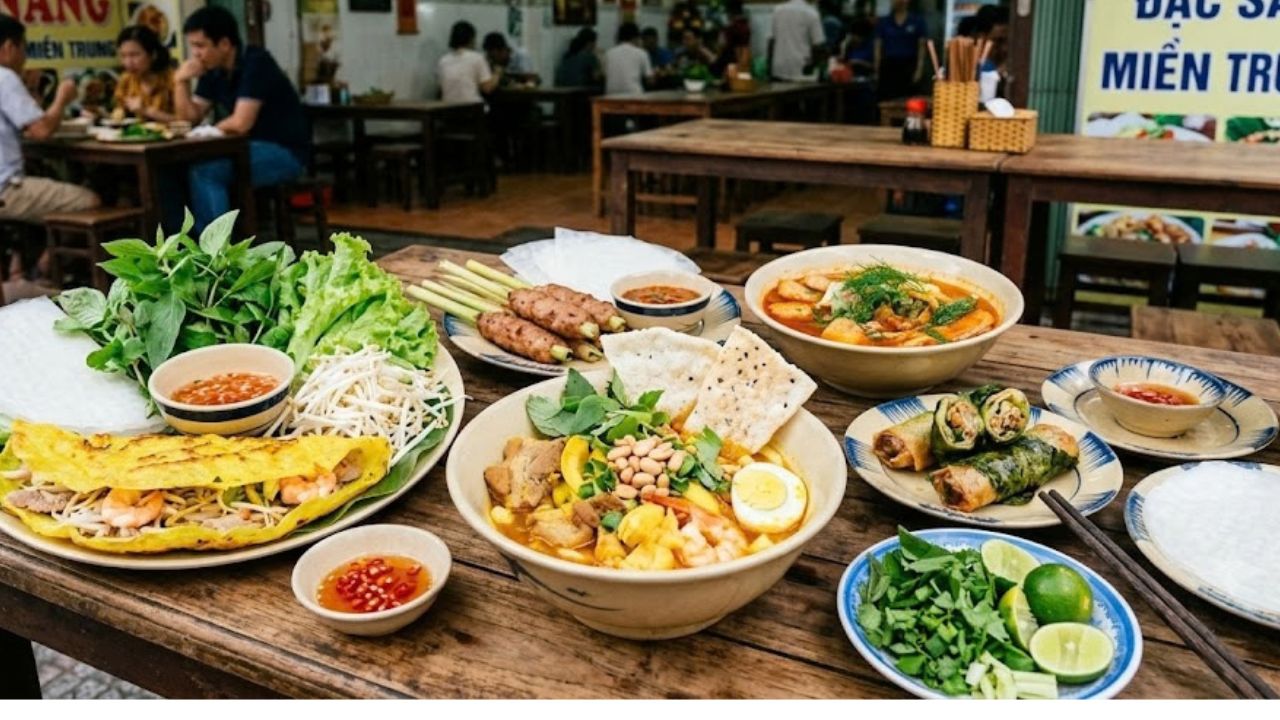
If you are planning a trip to Central Vietnam, Da Nang and Hoi An food should be an essential part of your itinerary. Beyond beautiful beaches, ancient streets and cultural attractions, these destinations are famous for their distinctive local cuisine.
From the rich and aromatic Mi Quang to the chewy noodles of Hoi An Cao Lau, local dishes combine fresh herbs, rice noodles, seafood, grilled meat and flavorful Vietnamese sauces. For international travelers, trying local food is also one of the best ways to experience the culture of Central Vietnam.
Here are some of the best foods to try in Da Nang and Hoi An, including what they taste like and what foreign visitors should know before eating them.
1. Mi Quang – A Signature Central Vietnamese Noodle Dish
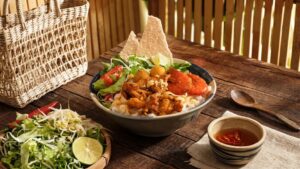 Mi Quang is one of the most iconic dishes in Central Vietnam. It is particularly popular in Da Nang and the surrounding Quang Nam region.
Unlike a typical noodle soup, Mi Quang contains only a small amount of rich broth. The thick, flat rice noodles are usually served with shrimp, pork, chicken or other ingredients, then topped with roasted peanuts, herbs, crispy rice crackers and fresh vegetables.
What does Mi Quang taste like?
The flavor is savory, slightly sweet, nutty and aromatic. The roasted peanuts provide a pleasant crunch, while fresh herbs add a refreshing contrast to the rich toppings.
The noodles are soft but slightly chewy, making the dish more substantial than many Vietnamese noodle soups.
For first-time visitors, Mi Quang is an excellent introduction to Central Vietnamese cuisine because it is flavorful without necessarily being extremely spicy.
Tips for foreign travelers
The dish may come with chili, lime and additional fish sauce. Try the original flavor first before adding more seasoning.
If you are sensitive to spicy food, ask the restaurant for “no chili” or “not spicy, please.”
2. Banh Xeo – Crispy Vietnamese Pancakes
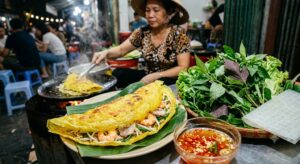 Another must-try food in Da Nang is Banh Xeo, a crispy Vietnamese pancake made from rice flour and usually filled with shrimp, pork and bean sprouts.
Da Nang-style Banh Xeo is often smaller than the versions found in southern Vietnam, making it particularly easy to eat and share.
The city itself describes Banh Xeo as having a thin, crispy golden crust with shrimp and pork inside, accompanied by fresh vegetables and dipping sauce.
What does Banh Xeo taste like?
The first bite is wonderfully crispy and fragrant. The fried rice-flour shell has a slightly nutty aroma, while the shrimp provides natural sweetness.
What makes the dish particularly enjoyable is the contrast between the hot, crispy pancake and the cool freshness of herbs and vegetables.
You normally cut the pancake into smaller pieces, place it on rice paper together with herbs and vegetables, roll everything up and dip it into the sauce. Vietnam Tourism also recommends this hands-on way of eating Banh Xeo.
Tips for foreign travelers
Eating Banh Xeo can be a little messy at first — and that is part of the fun.
Do not eat only the pancake. The combination of crispy pancake + fresh herbs + rice paper + dipping sauce creates the full flavor experience.
3. Da Nang Fish Cake Noodle Soup – Bun Cha Ca
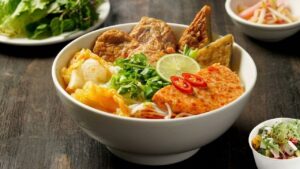 For seafood lovers, Bun Cha Ca Da Nang is another excellent choice.
The dish consists of rice vermicelli served in a clear but flavorful broth with Vietnamese fish cakes, vegetables and herbs. The fish cakes are usually made from fresh fish and have a firm, springy texture.
What does it taste like?
The broth is generally light, savory and naturally sweet, while the fish cakes provide a stronger seafood flavor.
Compared with richer noodle dishes, Bun Cha Ca can feel lighter and is particularly enjoyable for breakfast or lunch.
The freshness of the fish is important. A good bowl should smell pleasantly of seafood rather than having an overly strong fishy odor.
Tips for foreign travelers
If you are not accustomed to Vietnamese fish sauce, be careful when adding extra seasoning. A small amount can significantly change the flavor.
You can also add lime and chili gradually according to your taste.
4. Cao Lau – The Dish You Should Not Miss in Hoi An
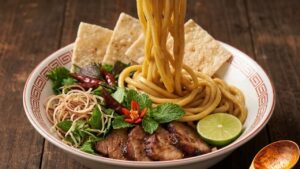 If you only have time to try one traditional dish in Hoi An, Cao Lau deserves to be at the top of your list.
Cao Lau is strongly associated with Hoi An and is characterized by thick, chewy rice noodles, slices of pork, fresh herbs, bean sprouts and crispy toppings.
Vietnam Tourism describes Cao Lau as “Hoi An in a bowl,” highlighting its distinctive noodles and local ingredients.
What does Cao Lau taste like?
Cao Lau is different from a conventional noodle soup because it contains very little broth.
The noodles are firm and chewy, with a texture that some international visitors may find similar to Japanese udon. The pork adds savory richness, while fresh herbs and bean sprouts provide freshness.
Crispy pieces of fried dough or pork add another layer of texture.
The overall flavor is savory, slightly sweet, aromatic and balanced, rather than overwhelmingly spicy.
Tips for foreign travelers
Mix the noodles, sauce, herbs and toppings thoroughly before eating.
Try a few bites before adding chili or lime. The flavor is designed to come from the combination of ingredients rather than from a large amount of broth.
There is also an interesting cultural story behind the noodles. Traditional accounts associate Cao Lau with local water from the Ba Le well and ash used in the noodle-making process. Hoi An’s heritage authorities also emphasize Cao Lau’s long-standing cultural importance to the town.
5. Hoi An Chicken Rice – Com Ga Hoi An
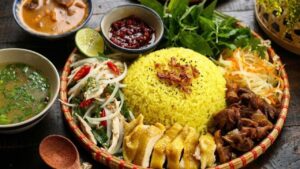 Hoi An Chicken Rice, or Com Ga Hoi An, is another local favorite.
The dish combines fragrant yellow rice with shredded chicken, herbs, onions and pickled vegetables.
What does it taste like?
Compared with many strongly seasoned Vietnamese dishes, Hoi An Chicken Rice has a relatively gentle and delicate flavor.
The rice is fragrant and slightly savory, while the shredded chicken is tender and naturally sweet. Fresh herbs and pickled vegetables provide acidity and freshness.
This is a particularly good option for travelers who prefer mild food.
Tips for foreign travelers
The chicken may be served with chili sauce or other seasonings. Add them gradually if you are not used to spicy Vietnamese food.
The pickled vegetables are not just decoration — they help balance the richness of the chicken and rice.
6. White Rose Dumplings – Banh Bao Banh Vac
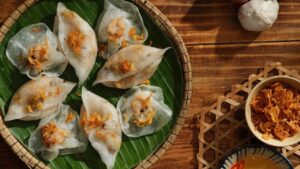 One of the most visually attractive Hoi An specialties is Banh Bao Banh Vac, commonly known to foreign visitors as White Rose Dumplings.
These delicate steamed rice-flour dumplings resemble small white flowers. They are filled mainly with shrimp, pork and other ingredients, then topped with crispy fried shallots.
Vietnam Tourism notes that the dumplings are closely associated with a family tradition in Hoi An and are made using rice flour and local well water.
What do White Rose Dumplings taste like?
The texture is soft, slightly chewy and delicate.
The shrimp filling has a naturally sweet seafood flavor, while fried shallots add a wonderful roasted aroma and light crunch.
The dipping sauce brings together salty, sweet and slightly spicy flavors.
Because the dumplings are small and delicate, they are best eaten warm.
Tips for foreign travelers
Do not expect a strong or heavily seasoned flavor. White Rose Dumplings are more about delicate texture, fresh shrimp and aroma.
They are also a great starter before moving on to heavier dishes such as Cao Lau or Hoi An Chicken Rice.
7. Banh Mi Hoi An – A Perfect Street Food Experience
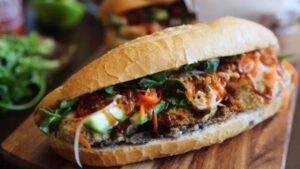 Vietnamese Banh Mi is famous worldwide, but trying it in Hoi An is still worthwhile.
The sandwich combines a crispy baguette with ingredients such as pâté, grilled or roasted meat, vegetables, herbs and a flavorful sauce.
Hoi An’s culinary heritage sources also recognize Banh Mi as one of the city’s well-known food specialties.
What does it taste like?
A good Hoi An Banh Mi offers several sensations at once:
crispy bread + savory meat + creamy pâté + fresh herbs + spicy or sweet sauce.
The contrast between the crunchy baguette and soft fillings makes it particularly satisfying.
Tips for foreign travelers
If you cannot eat spicy food, tell the vendor “no chili.”
Also, because Banh Mi is often prepared quickly at street-food stalls, choose busy places with a high turnover of ingredients.
8. Banh Dap Hoi An – Crispy, Soft and Savory
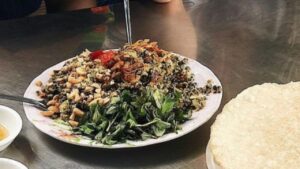 Banh Dap is a more traditional and rustic Hoi An specialty.
It combines layers of soft rice paper with crispy grilled rice paper. The pieces are pressed or “smashed” together before being eaten with dipping sauce.
The texture is the main attraction: crispy on one side, soft and chewy on the other.
What does it taste like?
The rice paper itself has a mild toasted rice aroma. Its flavor becomes much more interesting when combined with herbs and fermented fish sauce.
For travelers who want to discover less internationally known Vietnamese food, Banh Dap is worth trying.
Tips for foreign travelers
The dipping sauce may contain fermented fish sauce, which can have a strong aroma.
If you have never tried Vietnamese fermented fish sauce before, start with a small amount.
9. Banh Xeo Hoi An
Although Banh Xeo is also popular in Da Nang, the Hoi An version is an important part of the local food experience.
Small crispy pancakes are filled with shrimp, pork and bean sprouts and usually eaten with rice paper, herbs and dipping sauce.
Vietnam Tourism highlights the combination of fried pancake, fresh vegetables and dipping sauce as one of the reasons visitors enjoy this dish.
What does it taste like?
Expect a delicious contrast between crispy, savory and fresh.
The pancake itself is aromatic and slightly oily, while herbs and vegetables make every bite feel lighter.
Tips for foreign travelers
Take your time when making the roll. Place a small amount of pancake, herbs and vegetables onto the rice paper, roll it tightly and dip it into the sauce.
It may take one or two attempts to master the technique.
What Should Foreign Travelers Know Before Eating in Da Nang and Hoi An?
Vietnamese food is generally very approachable, but some flavors may be unfamiliar to international visitors.
1. Be careful with chili
Central Vietnamese cuisine can be quite flavorful and sometimes spicy. If you do not eat spicy food, say:
“No chili, please.”
or
“Not spicy, please.”
2. Fish sauce has a strong aroma
Fish sauce is an essential ingredient in many Vietnamese dishes. It can smell strong when you first encounter it, but it usually provides depth and umami rather than making the entire dish taste strongly fishy.
Fermented fish sauces such as mắm nêm can be considerably stronger, so first-time visitors may want to try only a small amount.
3. Fresh herbs are part of the dish
Do not automatically remove the herbs from your plate.
Vietnamese cuisine often uses herbs such as mint, Vietnamese coriander, basil and perilla to balance salty, sweet, spicy and fatty flavors.
4. Ice and drinking water
For travelers with sensitive stomachs, bottled water is the safest choice.
When buying drinks from street vendors, choose busy stalls with good ingredient turnover and clean preparation practices.
5. Street food is part of the experience
Some of the best local food experiences can be found in small family-run restaurants and street-food stalls rather than luxury restaurants.
Look for places that are busy with local customers, have ingredients that appear fresh and maintain good food-handling practices.
Final Thoughts: Taste Da Nang and Hoi An Through Their Food
The best Da Nang and Hoi An food experiences are not simply about finding something delicious to eat. They are about discovering how local people use rice, seafood, herbs, noodles, fermented sauces and traditional cooking techniques to create distinctive flavors.
For a first visit, an ideal food itinerary could include Mi Quang and Banh Xeo in Da Nang, followed by Cao Lau, Hoi An Chicken Rice, White Rose Dumplings and Banh Mi in Hoi An.
Each dish offers something different: crispy textures, chewy noodles, fragrant herbs, fresh seafood, savory meat and delicate sauces.
For international travelers, the most important tip is simple: be curious, start with small portions of unfamiliar flavors, and do not be afraid to try something new.
Food is one of the easiest ways to understand Central Vietnam — and in Da Nang and Hoi An, every bowl, plate and street-food stall tells a small part of the region’s story.