
 Far in the northeast of Vietnam, where Ban Gioc Waterfall and limestone mountains rise dramatically above green valleys and rivers wind quietly through the landscape, lies Cao Bang — one of the country’s most beautiful and lesser-known destinations.
Away from the busy streets of Hanoi and the crowds of Vietnam’s more famous tourist attractions, Cao Bang offers something increasingly rare: a chance to experience Vietnam at a slower, more authentic pace.
Ban Gioc Waterfall
And at the heart of this spectacular landscape is Ban Gioc Waterfall, one of the most impressive waterfalls in Vietnam.
Imagine standing beside a turquoise river surrounded by towering limestone cliffs. In the distance, water cascades over a series of rocky terraces, creating a curtain of white foam against a backdrop of deep green mountains. Bamboo rafts drift gently along the river, allowing visitors to get closer to the falls and experience their beauty from the water.
This is Ban Gioc.
But Cao Bang is much more than one waterfall.
The province is home to dramatic karst mountains, mysterious caves, peaceful valleys, winding mountain roads, traditional villages and communities that have preserved their unique cultures for generations.
For travelers looking for nature, adventure and authentic local experiences, Cao Bang is one of northern Vietnam’s most rewarding destinations.
Why Visit Cao Bang?
 Cao Bang is often overlooked by first-time visitors to Vietnam, who tend to choose destinations such as Ha Long Bay, Sapa or Ninh Binh.
Yet this is precisely what makes Cao Bang so special.
The province offers a combination of natural scenery and cultural experiences that can be difficult to find elsewhere.
Ban Gioc Waterfall
The first reason to visit Cao Bang is undoubtedly Ban Gioc Waterfall.
Located on the Quay Son River near the Vietnamese-Chinese border, the waterfall stretches across a series of limestone formations, with water flowing down several levels before reaching the emerald-green river below.
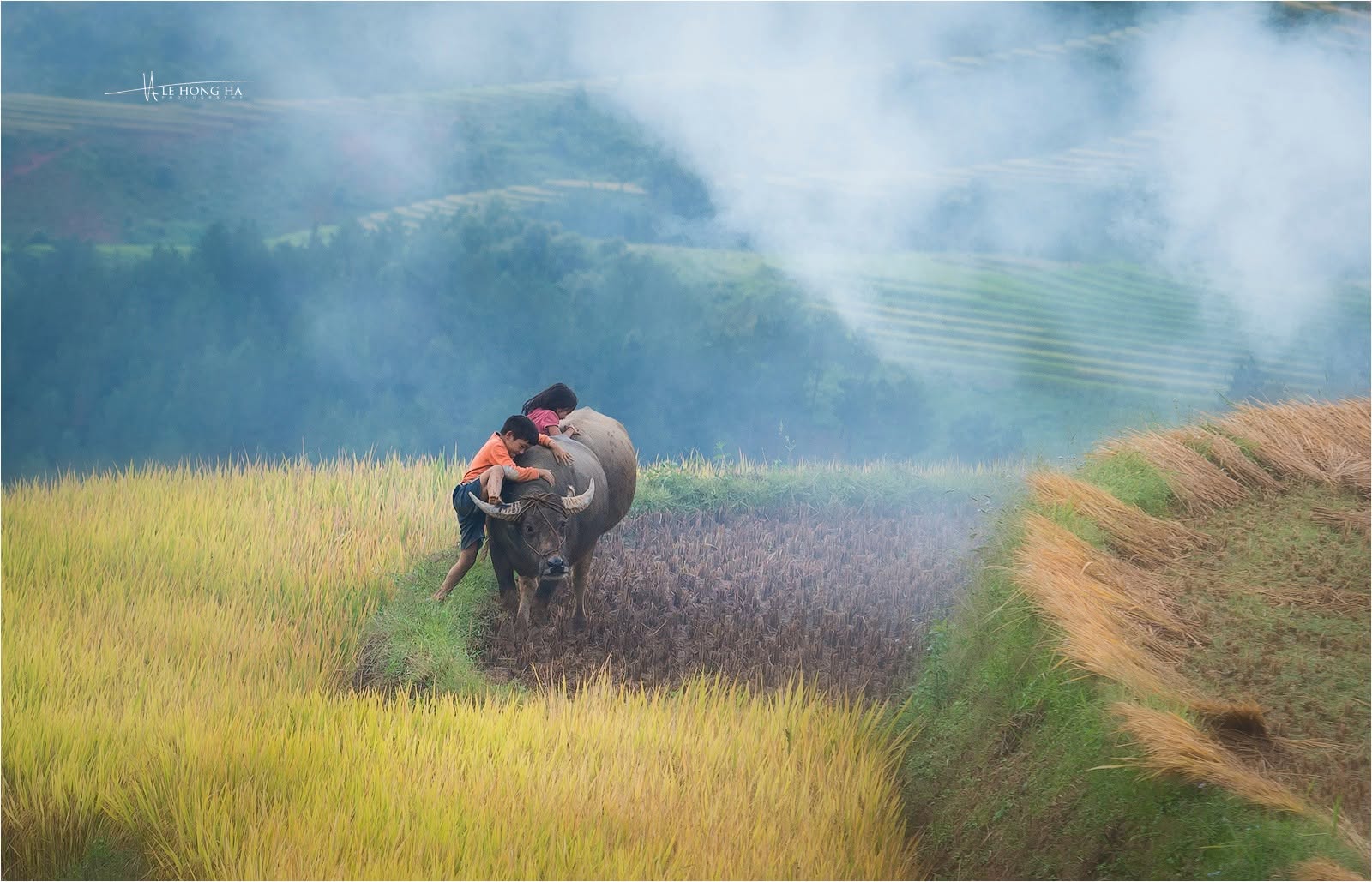
Surrounded by mountains and rice fields, the scenery changes dramatically with the seasons.
During the rainy season, the waterfall becomes powerful and impressive, with large volumes of water rushing over the cliffs. During drier periods, the flow can be gentler, revealing more of the rocky formations beneath the water.
The surrounding landscape is equally beautiful.
Rice fields, traditional villages and limestone peaks create a postcard-like setting that makes Ban Gioc one of the most photogenic places in northern Vietnam.
A Journey Through Vietnam’s Limestone Mountains
The journey to Cao Bang is part of the experience.
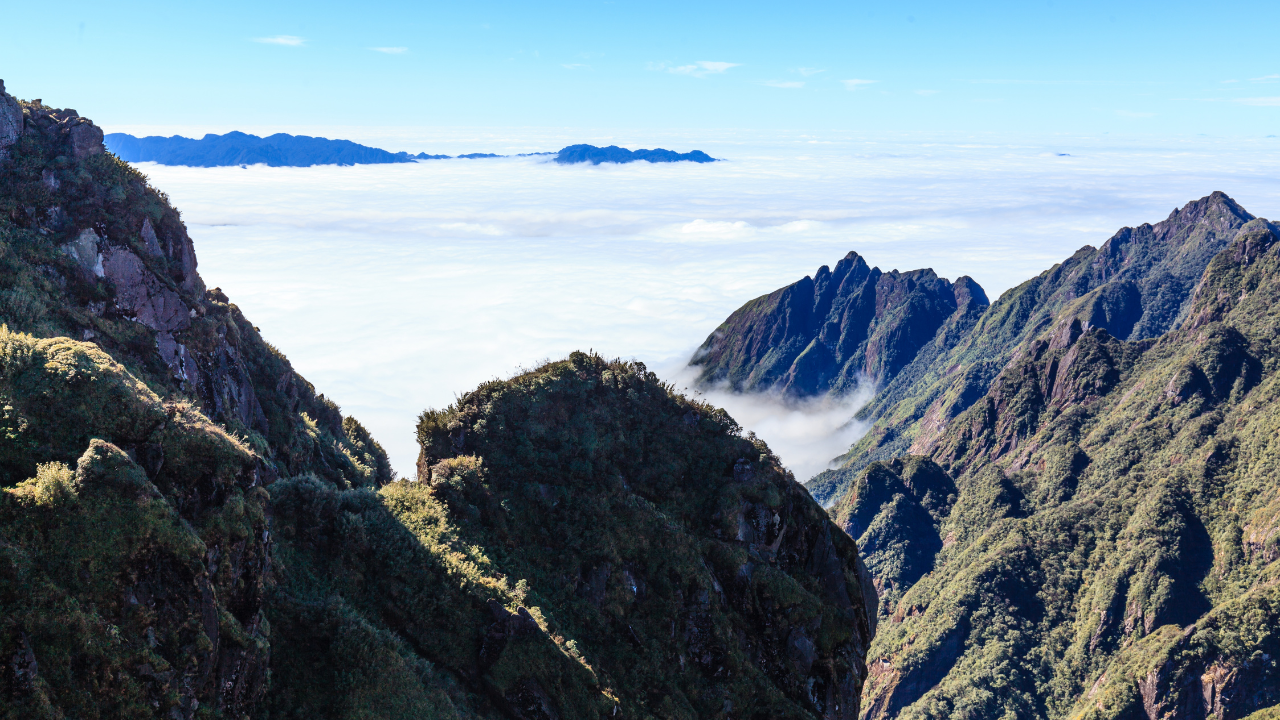
As you leave the Red River Delta behind, the landscape gradually changes. Flat agricultural land gives way to winding mountain roads, deep valleys and enormous limestone formations.
For travelers who enjoy road trips, the route itself can be one of the highlights of the journey.
Around every bend, a new view appears — a mountain village hidden in a valley, a river reflecting the surrounding cliffs, or farmers working in small fields beneath towering karst peaks.
This is northern Vietnam at its most dramatic.
Nguom Ngao Cave
Not far from Ban Gioc Waterfall lies Nguom Ngao Cave, an impressive natural cave formed over millions of years.
Inside, visitors can discover enormous limestone chambers filled with stalactites and stalagmites in unusual shapes.
The name “Nguom Ngao” is often associated with the sound of tigers, adding a touch of mystery to the cave.
Exploring the cave provides a fascinating contrast to the open landscapes outside. After walking through mountain valleys and rice fields, visitors descend into a completely different world beneath the limestone mountains.
Local Villages and Traditional Culture

One of Cao Bang’s greatest attractions is not something you can find on a map.
It is the people.
The province is home to several ethnic communities, including Tay, Nung, Dao and H’Mong people. Many villages continue to maintain traditional lifestyles, architecture, handicrafts, festivals and agricultural practices.
Travelers who stay in a local homestay can experience a quieter side of Vietnam — sharing meals with a local family, walking through rice fields, visiting village markets or simply watching daily life unfold in the mountains.
For international travelers, these encounters can become some of the most memorable moments of a journey through Vietnam.
The Beauty of Cao Bang Is in the Journey

Perhaps the best way to experience Cao Bang is not to rush from one attraction to another.
Take the scenic roads.
Stop at a small village.
Walk through a rice field.
Talk to a local farmer.
Drink tea with a homestay family.
And when you finally arrive at Ban Gioc Waterfall, take a moment to simply look.
The beauty of Cao Bang is not only found in its famous attractions. It is found in the spaces between them — the quiet roads, the mountain air, the sound of flowing water and the rhythm of everyday life.
That is what makes Cao Bang different.
It doesn’t feel like a destination designed purely for tourists.
It feels like a place you have discovered.
When Is the Best Time to Visit Cao Bang?
The best time to visit Cao Bang depends on what you want to experience.
For the most impressive waterfall scenery, many travelers prefer the period when water levels are higher. The surrounding rice fields also change color throughout the year, creating completely different landscapes depending on the season.
Autumn can be particularly attractive for travelers interested in photography, while cooler months offer pleasant conditions for exploring the mountains and villages.
Before planning your trip, it is worth checking the seasonal weather conditions and combining Cao Bang with other destinations in northern Vietnam.
How to Get to Ban Gioc Waterfall – Agapetravel
Cao Bang is located approximately 280–300 km from Hanoi, depending on the route.
The journey generally takes several hours by road, making it ideal for a multi-day northern Vietnam itinerary rather than a rushed day trip.
A private car with an experienced local driver or guide is one of the most comfortable ways to explore the region.
This also gives travelers the flexibility to stop at viewpoints, villages and lesser-known attractions along the way.
Cao Bang: A Different Side of Vietnam
Vietnam is famous for its beaches, bustling cities, ancient towns and spectacular bays.
But if you want to discover a quieter and more adventurous side of the country, look north.
Look beyond the familiar tourist routes.
Follow the mountains.
Follow the rivers.
And eventually, you may find yourself standing beside the turquoise waters of the Quay Son River, watching Ban Gioc Waterfall thunder down from the limestone cliffs.
This is Cao Bang.
Wild, peaceful and unforgettable.
Ready to discover northern Vietnam beyond the usual tourist routes? Explore Cao Bang and Ban Gioc Waterfall with a local Vietnam travel expert – Agapetravel