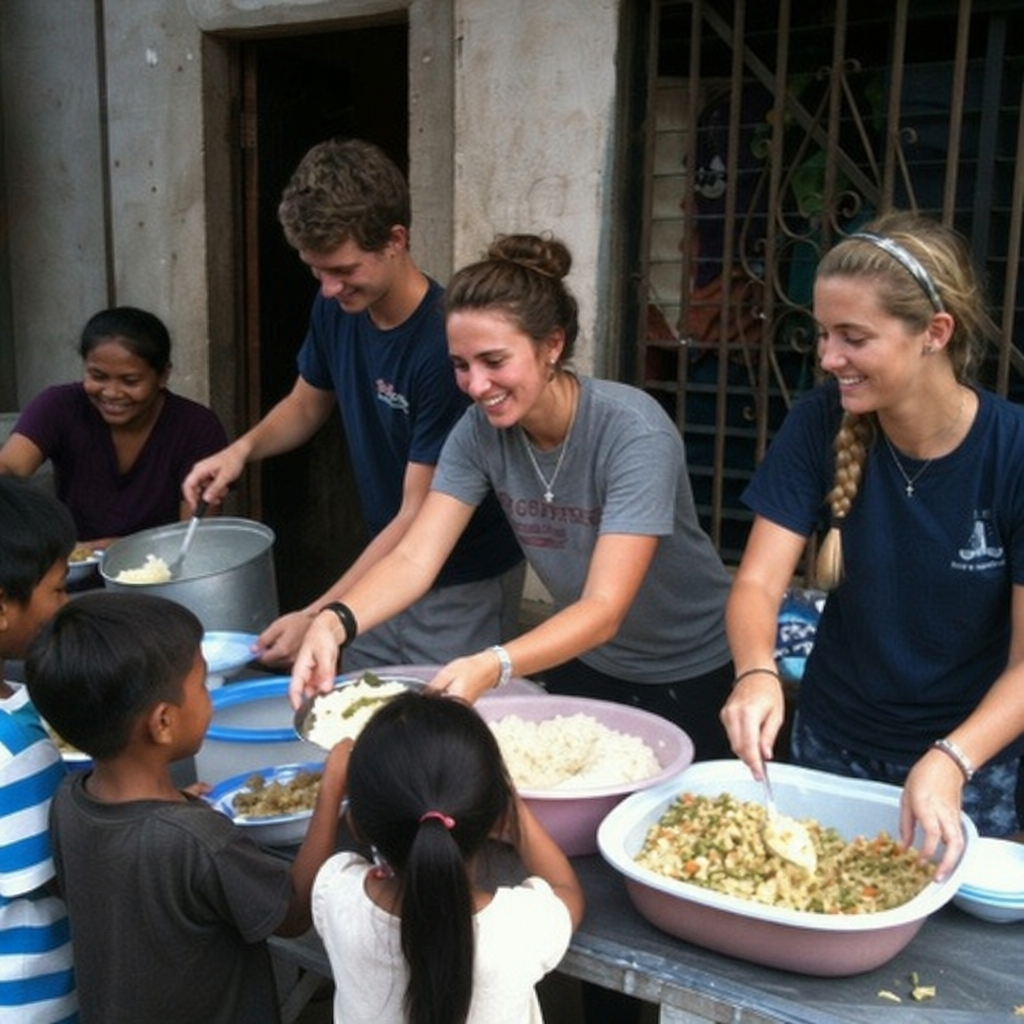
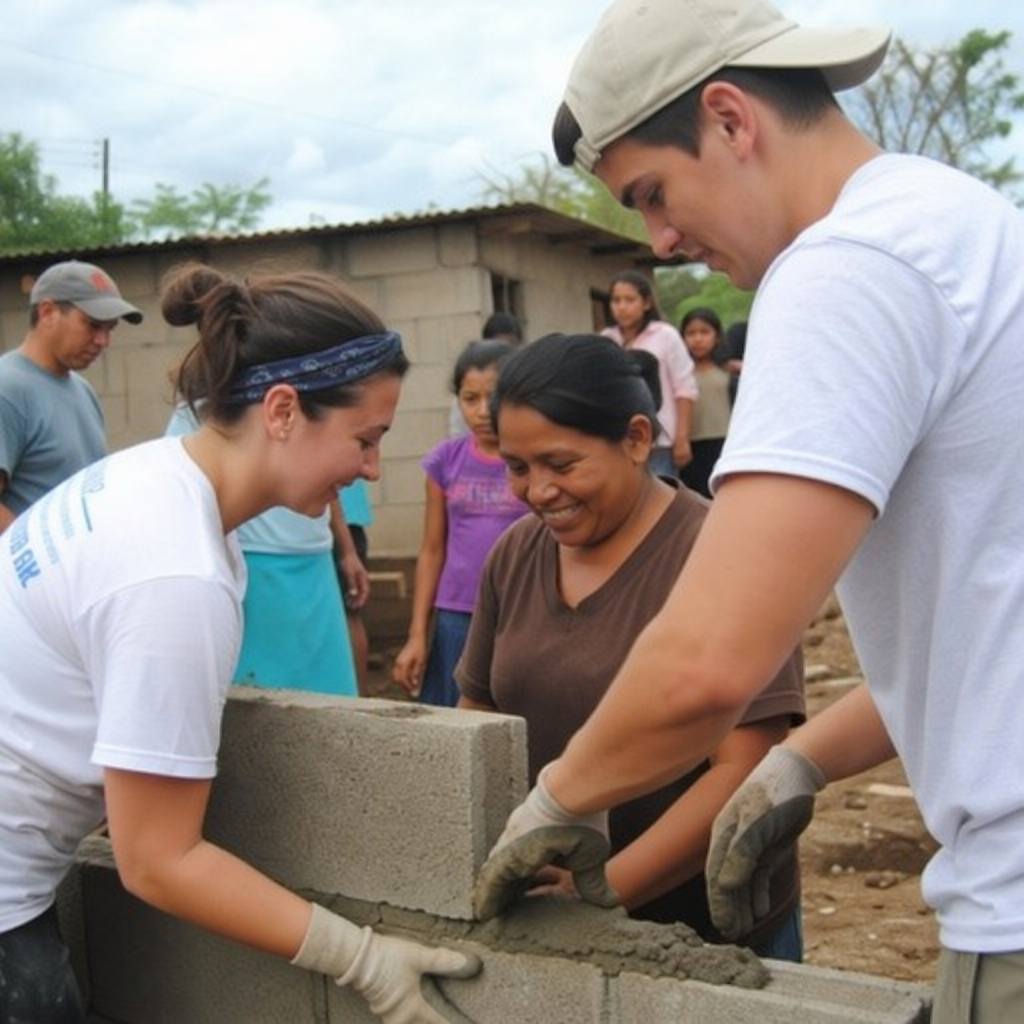
A mission trip is a service-focused journey where people step outside their normal routine to support communities, build relationships, and grow in faith or purpose. The most meaningful trips are not just about traveling somewhere new; they are about serving responsibly, listening well, and returning home changed. Whether someone is exploring short term christian mission trips, international mission trips, or local volunteer mission trips, the goal should be mutual dignity and lasting good.
What makes a mission trip meaningful?
A mission trip becomes meaningful when service is rooted in humility, preparation, and partnership with the people being served. Participants may help with teaching, construction, medical outreach, children’s programs, environmental projects, or church-based ministry, but the work matters most when it supports real community priorities. The best experiences combine practical help with cultural learning, spiritual reflection, and long-term relationships.
This is why a mission trip should never be treated like a quick charity project. Communities are not backdrops for personal growth, and volunteers are not heroes arriving with all the answers. A healthy trip invites participants to learn from local leaders, respect existing strengths, and contribute in ways that fit a larger plan.
Common types of mission trips
Mission opportunities vary widely, which is helpful because different people have different schedules, skills, comfort levels, and callings. Some trips are deeply faith-centered, while others focus more broadly on humanitarian service or community development. Understanding the options can help you choose a path that is both practical and responsible.
Short-term trips
Short term mission trips often last from about a week to several weeks, making them accessible for students, families, church groups, and working adults. These trips may include construction, youth ministry, food distribution, education, or community outreach. Because the timeline is limited, the organization’s local partnerships matter even more; volunteers should be joining ongoing work rather than starting something disconnected.
Short term missions can be powerful when participants prepare well and keep expectations realistic. A one-week trip may not transform an entire community, but it can encourage local partners, meet a specific need, and open a volunteer’s eyes to faithful service beyond their own neighborhood.
International trips
International mission trips offer opportunities to serve across cultures and learn from communities with different languages, histories, and traditions. They can be especially formative because participants must practice patience, flexibility, and cultural humility every day. Travel logistics, health precautions, passports, visas, and cross-cultural training become important parts of preparation.
International service also carries extra ethical responsibility. Volunteers should ask whether the trip strengthens local leadership, protects vulnerable people, and avoids creating dependency. A responsible organization will be able to explain how projects are selected, how communities are involved, and what happens after visiting teams leave.
Student, college, family, and professional trips
Mission trips for college students often fit spring break, summer, or gap-year schedules. They may also connect with academic interests such as public health, education, social work, ministry, or environmental studies. For students discerning vocation or faith commitments, a mission trip can clarify what kind of work they feel called to pursue.
Families may choose trips designed for multiple ages, with service roles that are safe and age-appropriate. Professionals, including medical workers, teachers, builders, and counselors, may look for specialized volunteer mission trips where their training can be used responsibly under local guidance.
Why do people go on mission trips?
People go on mission trips because they want to serve, grow spiritually, build relationships, and understand the world beyond their familiar surroundings. For Christians, short term christian mission trips often connect service with faith, prayer, discipleship, and the call to love neighbors in practical ways. Others are motivated by compassion, cultural learning, personal growth, or a desire to use their skills for a meaningful purpose.
The experience can be stretching. Participants may encounter poverty, injustice, language barriers, or unfamiliar customs. They may also discover hospitality, resilience, and joy in places they expected only to “help.” That exchange is often what makes the trip transformative: the volunteer gives time and energy, but also receives perspective, friendship, and a deeper sense of responsibility.
How to choose a responsible mission trip organization?
Choose an organization that prioritizes local leadership, transparent communication, safety, and long-term impact over dramatic promises. A trustworthy program should clearly explain where fees go, what volunteers will do, how participants are trained, and how the project benefits the host community. If the trip involves children, medical care, construction, or vulnerable populations, the screening and supervision standards should be especially strong.
Use this checklist before applying:
- Local partnership: Are projects requested or guided by community leaders, churches, schools, clinics, or local nonprofits?
- Clear role for volunteers: Does the work match your skills, or will you receive appropriate training and supervision?
- Transparent costs: Are program fees, airfare, meals, lodging, insurance, and extra expenses explained before you commit?
- Ethical child protection: Are there rules around photography, contact with children, background checks, and safeguarding?
- Cultural preparation: Does the organization teach language basics, customs, history, and respectful behavior?
- Sustainable impact: Is the trip part of ongoing work, or does it depend on short visits with no follow-up?
- Safety planning: Are emergency contacts, health guidance, transportation plans, and in-country support clearly provided?
It is also wise to notice the language an organization uses. If the message sounds like volunteers are “saving” people, be cautious. If it emphasizes partnership, learning, dignity, and accountability, that is a healthier sign.
Preparing well before you go
Preparation turns good intentions into thoughtful service. Before leaving, participants should learn about the destination, the organization, the community’s goals, and the specific work they will be doing. Even local trips benefit from preparation because every community has its own history, strengths, and sensitivities.
A practical preparation plan might include:
- Clarify your purpose. Write down why you want to go and what you hope to learn, not just what you hope to accomplish.
- Research the context. Learn basic history, cultural norms, faith traditions, and common social challenges in the area.
- Build a realistic budget. Include program fees, transportation, documents, vaccinations if needed, supplies, insurance, and emergency funds.
- Fundraise with honesty. Tell supporters what the trip involves, how funds will be used, and how you plan to serve responsibly.
- Prepare emotionally. Expect discomfort, fatigue, schedule changes, and moments when listening matters more than doing.
- Pack with respect. Bring what the organization recommends, dress appropriately, and avoid treating donated items as an afterthought.
- Plan for re-entry. Decide how you will reflect, share, give, or volunteer after you return home.
Preparation also includes prayer or reflection, especially for faith-based teams. Participants should ask for a posture of humility, courage, and attentiveness. The point is not to arrive perfectly prepared, but to arrive teachable.
Costs, fundraising, and practical expectations
Mission trip costs vary based on destination, length, housing, meals, transportation, insurance, training, and the kind of work involved. Local or regional short term missions may be more affordable, while international mission trips usually involve airfare, travel documents, health requirements, and additional logistics. Some programs include lodging and meals in the program fee, while others separate those expenses.
Before committing, ask for a written cost breakdown. This helps you compare programs fairly and avoid surprises. It also makes fundraising easier because supporters can understand what their gifts cover.
Fundraising works best when it is relational and transparent. Instead of simply asking for money, explain the purpose of the trip, the community partnership, and what you are doing to prepare. Many volunteers combine personal savings, church support, sponsorship letters, small events, and online giving pages.
The impact on host communities
The best mission trips serve community-defined goals. That may mean helping complete a building project, supporting a school program, assisting a clinic, encouraging a local church, or adding hands to work that local leaders have already planned. In these cases, visiting volunteers are not replacing local capacity; they are supporting it.
Long-term impact depends on continuity. A single trip can be helpful, but sustainable change usually comes through repeated partnership, trusted relationships, and community ownership. When organizations keep listening after volunteers leave, projects can adapt to real needs instead of donor expectations.
There are also potential harms to avoid. Poorly planned trips can create dependency, disrupt local jobs, expose children to unsafe attention, or prioritize volunteer emotions over community benefit. Responsible mission travel takes these risks seriously and designs trips to minimize them.
The impact on volunteers
For many participants, a mission trip becomes a turning point. It can deepen faith, challenge assumptions, strengthen gratitude, and reveal gifts that were previously unused. Students may discover new academic or career interests, families may grow closer through shared service, and professionals may reconnect with the deeper purpose behind their skills.
The transformation is not always dramatic in the moment. Sometimes it looks like learning to listen before speaking, becoming more generous, praying differently, choosing simpler habits, or staying involved with local service at home. The lasting question is not only “What happened on the trip?” but “How will I live differently now?”
Carrying the experience home
A mission trip should not end when the plane lands or the van returns. The most valuable lessons need time to settle, and participants should process them with honesty. Journaling, team debriefs, prayer, conversations with mentors, and continued learning can help turn a short experience into long-term growth.
After returning, consider these next steps:
- Share stories that protect dignity and avoid portraying people as helpless.
- Thank supporters with specific reflections rather than exaggerated claims.
- Stay connected to the organization or local partner if appropriate.
- Serve in your own community with the same humility you practiced elsewhere.
- Reevaluate your spending, schedule, career goals, or ministry involvement in light of what you learned.
This kind of follow-through keeps the experience from becoming a memory only. It becomes part of a larger life of service.
A thoughtful path into service
Mission trips can be deeply transformative when they are chosen carefully, prepared for honestly, and carried out with humility. Short term mission trips, international mission trips, and mission trips for college students all have the potential to shape volunteers while supporting meaningful work in host communities.
The key is to pursue service that honors people, strengthens local leadership, and continues beyond the trip itself. When volunteers go to learn as much as they go to help, a mission trip can become more than travel; it can become a lasting invitation to love, serve, and live with greater purpose.