
TREKKING IN SAPA
Trekking in Sapa, Vietnam during the winter months can be a unique and beautiful experience. Here are a few tips to keep in mind:
1.Pack warm clothing: Winter temperatures in Sapa can be quite cool, make sure to pack layers and warm clothing to stay comfortable during your trek. Wear appropriate footwear: Winter conditions can make trails slippery, consider wearing sturdy, waterproof hiking boots to ensure stability and dry feet.
2.Take precautions against illness: The cool and damp weather can increase the risk of respiratory infections, take precautions such as wearing a warm hat and scarf to protect your face and neck.
3.Check trail conditions: Winter weather in Sapa can cause trail closures, check in advance with local trekking companies or tourist information centers for the most up-to-date information on trail conditions. Sapa, Vietnam is home to many beautiful and challenging trekking trails, each offering unique experiences and stunning views of the region’s diverse landscapes. Here are a few popular trekking trails in Sapa, These are just a few examples of the many trekking trails available in Sapa, Vietnam. Whether you’re looking for a challenging mountaineering experience or a leisurely cultural exploration, Sapa has something to offer for all levels of trekkers.
Fansipan Mountain: This is the highest peak in Indochina, reaching a height of 3,143 meters. It’s a challenging trek that takes 2-3 days and requires a good level of physical fitness. The trail offers incredible views of the surrounding mountain range and the opportunity to experience the region’s diverse flora and fauna.
Muong Hoa Valley: This trek takes you through the picturesque Muong Hoa Valley, home to several ethnic minority villages, including Lao Chai and Ta Van. You’ll have the opportunity to learn about the traditional lifestyles of the Hmong and Dzay people and see their rice terraces and traditional homes.
Ham Rong Mountain: This trek takes you to the top of Ham Rong Mountain, which offers panoramic views of Sapa town and the surrounding mountains. You’ll also have the opportunity to see the region’s diverse flora and fauna, including rare orchids and endemic bird species.
Y Linh Ho & Lao Chai: This trek takes you through the Black Hmong and Red Dao villages of Y Linh Ho and Lao Chai, where you’ll have the opportunity to learn about their unique cultures and see their traditional homes and rice terraces.
4. Respect local customs: Sapa is home to many ethnic minority communities, be mindful of local customs and respect their traditions during your trek.
5. Consider hiring a guide: Winter can be a busy season in Sapa, consider hiring a local guide who can provide information on the trail conditions and help you navigate the region’s unique cultural and natural landscape.
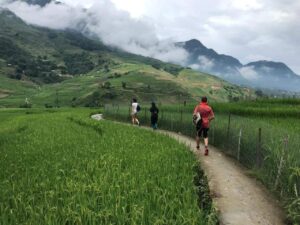
6. Be prepared for changing weather conditions: Winter in Sapa can bring sudden weather changes, make sure to pack waterproof gear and be prepared for rain, snow or fog, during the winter months (December to February) can be quite chilly, with average temperatures ranging from 10-15°C (50-59°F). Sometimes its below zero, during this time, it can also be quite foggy and damp, with the occasional rain or snow shower. The mountainous terrain of Sapa can also cause significant temperature differences between the valleys and the higher elevations, so it’s important to pack warm clothing and prepare for varying weather conditions. Despite the cool temperatures, winter can be a beautiful time to visit Sapa, with clear views of the lush, misty landscapes and the opportunity to see the local hill tribes in their traditional dress.
I hope these tips help you have a safe and enjoyable trekking experience in Sapa during the winter months!